
Unlock Your Best Health Through Proper Nutrition
Discover evidence-based insights on balanced eating, nutrient timing, and sustainable dietary choices that transform how you feel every single day. At Nutritionbalanceflow, we guide you through the science of nutrition with practical, actionable advice for long-term wellness.
Why Daily Nutrition Matters
Every meal is an opportunity to nourish your body and mind. Proper nutrition is the foundation of sustained energy, mental clarity, and long-term health.
Energy & Vitality
Balanced macronutrients and micronutrients fuel your cells throughout the day, ensuring sustained energy without energy crashes that leave you exhausted by afternoon.
Mental Clarity
Specific nutrients support cognitive function, focus, and emotional resilience. Proper nutrition helps your brain operate at peak performance every day.
Long-Term Wellness
Consistent nutritional habits support immune function, healthy aging, and reduce the risk of common lifestyle-related issues that impact quality of life.
5 Steps to Sustainable Healthy Eating
Transform your relationship with food by following these practical, evidence-based steps that work in the real world.
Understand Your Individual Needs
Everyone's nutritional requirements differ based on age, activity level, metabolism, and health goals. Begin by learning your unique needs rather than following generic diet trends. This personalised approach sets the foundation for lasting success.
Build Balanced Meals
Each meal should contain protein for satiety and muscle support, complex carbohydrates for sustained energy, and healthy fats for nutrient absorption and hormonal balance. This simple framework eliminates guesswork and ensures nutritional completeness.
Prioritise Whole Foods
Shift your focus toward unprocessed or minimally processed foods: vegetables, fruits, lean proteins, whole grains, legumes, and natural fats. These foods contain essential micronutrients and fibre that your body cannot manufacture on its own.
Maintain Consistent Meal Timing
Regular eating patterns help regulate blood sugar, stabilise energy levels, and prevent overeating driven by extreme hunger. Consistency also supports your body's natural circadian rhythms and digestion optimisation.
Stay Hydrated & Listen to Your Body
Water is essential for every metabolic process. Equally important is learning to recognise your body's hunger and fullness cues—this intuitive awareness prevents both under-eating and overeating while building a sustainable, peaceful relationship with food.
Explore Nutrient-Rich Meal Inspiration
Discover real meal examples that balance taste, nutrition, and simplicity for everyday eating.

Grilled Salmon Bowl
Omega-3 rich salmon paired with colourful roasted vegetables, quinoa, and a lemon-tahini dressing. Complete protein, healthy fats, and complex carbs in one satisfying meal.

Plant-Based Buddha Bowl
Fibre-rich chickpeas, leafy greens, sweet potato, and tahini dressing create a nutrient-dense, satisfying meal. Packed with plant proteins and essential minerals for sustained energy.

Lean Protein Stir-Fry
Tender chicken breast stir-fried with vibrant vegetables and served over brown rice. High in lean protein and micronutrients, with minimal added oil for heart-healthy nutrition.

Mediterranean Harvest Salad
Fresh tomatoes, cucumber, olives, feta, and herbs tossed with olive oil and lemon. Rich in antioxidants, healthy fats, and probiotics if paired with fermented toppings.

Protein-Packed Oat Breakfast
Overnight oats combined with protein powder, berries, and natural nut butter. A convenient, nutrient-complete breakfast that supports sustained morning energy and cognitive function.
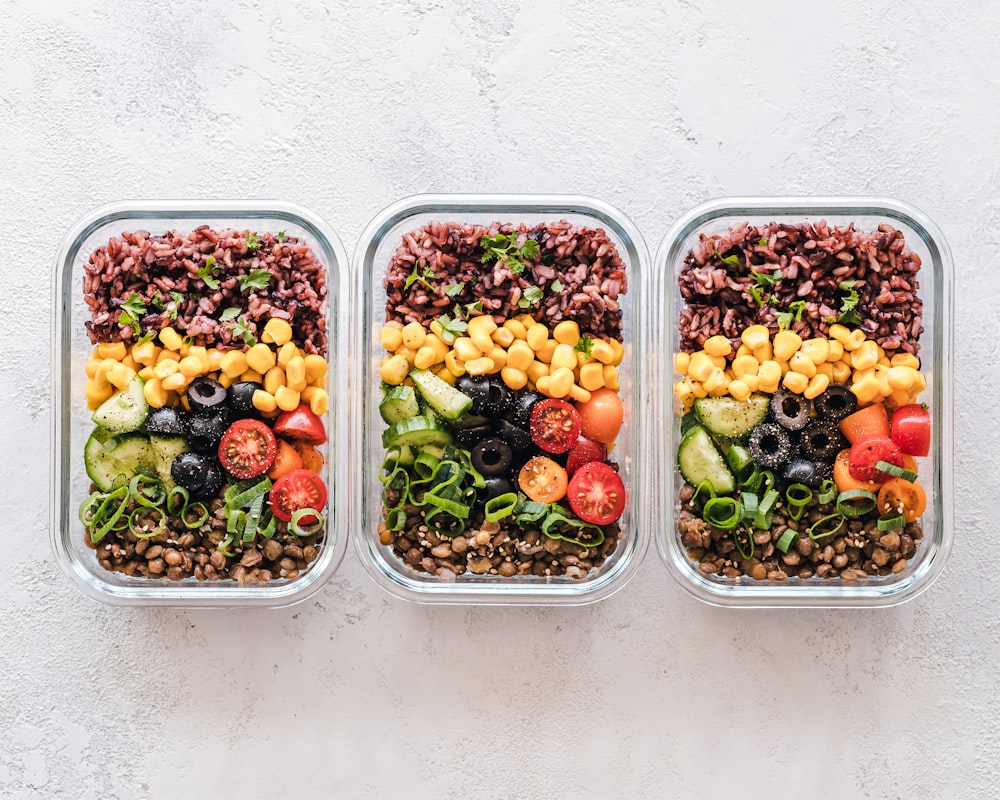
Simple White Fish Plate
Baked white fish, sweet potato wedges, and steamed broccoli demonstrate nutrient balance in its simplest form. Low-calorie, high in vitamins, minerals, and lean protein.
Common Nutrition Questions Answered
Explore evidence-based answers to questions our readers ask most frequently.
Most adults require approximately 0.8 to 1.0 grams of protein per kilogram of body weight daily for basic maintenance. If you engage in regular resistance exercise or are over 65, aim for 1.2–2.0 grams per kilogram to support muscle preservation and recovery. Distribute protein evenly across meals (roughly 25–35 grams per meal) to optimise muscle protein synthesis throughout the day.
Carbohydrates are not inherently fattening; rather, overall calorie balance matters most. Complex carbohydrates—whole grains, legumes, vegetables—provide fibre, which increases satiety and helps regulate blood sugar. Refined carbohydrates, conversely, are digested quickly and may promote overeating. Focus on carbohydrate quality rather than elimination, choosing whole-grain and vegetable sources that support sustained energy and nutritional completeness.
Healthy fats—found in avocados, nuts, seeds, olive oil, and fatty fish—are essential for brain function, hormone production, and nutrient absorption. Omega-3 fatty acids particularly support cardiovascular and cognitive health. Include 20–35% of daily calories from healthy fats to maintain hormonal balance, reduce inflammation, and promote overall wellbeing without fear of stored body fat.
Cravings often signal boredom, stress, or nutritional deficiency rather than true hunger. Pause and identify whether you're eating for fuel or emotion. If emotional, try a short walk, deep breathing, or a glass of water first. Keep satisfying snacks available—fruit, nuts, yoghurt—so you have nutritious options when impulses strike. Completely restricting foods often backfires; instead, include small portions of desired foods mindfully as part of balanced nutrition.
A diverse, whole-food diet provides most essential micronutrients. However, certain populations—pregnant individuals, vegans, older adults, or those with specific dietary restrictions—may benefit from selective supplementation. Consult with a nutritionist to identify any individual gaps, as personalised supplementation is more effective than indiscriminate supplement use. Whole foods remain the foundation; supplements fill gaps rather than replace food.
What Our Readers Say
Real stories from people who've improved their health through nutrition education. Individual results may vary.
"I've always struggled with afternoon energy crashes, but after reading your articles on balanced meals and nutrient timing, everything changed. I now understand why I was eating so much sugar and processed food. Your practical guides helped me redesign my meals in just two weeks, and I genuinely feel like a different person. The energy level I have now is incredible, and I'm sleeping better too."
Sarah Mitchell
Manchester, United Kingdom
"As a vegetarian, I was worried I wasn't getting enough protein until I found Nutritionbalanceflow. Your detailed breakdowns of plant-based protein sources and how to combine them for complete amino acid profiles was enlightening. I've built a sustainable eating plan that aligns with my values, and my fitness progress has never been better. Thank you for making nutrition science accessible and practical."
James Chen
London, United Kingdom
"I've tried countless diet programmes, but none stuck because they felt restrictive and confusing. Nutritionbalanceflow teaches you to understand your body instead of fighting it. The articles on intuitive eating and how to listen to hunger cues genuinely changed my mindset. I'm not counting calories obsessively anymore—I'm eating real food, enjoying meals, and actually feeling healthier and calmer than ever before."
Emma Robertson
Edinburgh, United Kingdom
Get the Latest Nutrition Insights
Subscribe to receive our newest articles, research summaries, and practical nutrition tips delivered to your inbox.
We respect your privacy. Unsubscribe anytime. No spam, only curated content.
Start Your Nutrition Journey Today
Knowledge is power. Explore our comprehensive articles, discover meal ideas, and build the nutritional literacy that transforms your daily life. Your best health begins with understanding what you eat.